About Seed Savers Network Kenya – Our Story, Strategy, Mission & Impact

About Seed Savers Network

Preserving indigenous seeds for food sovereignty

Our Story

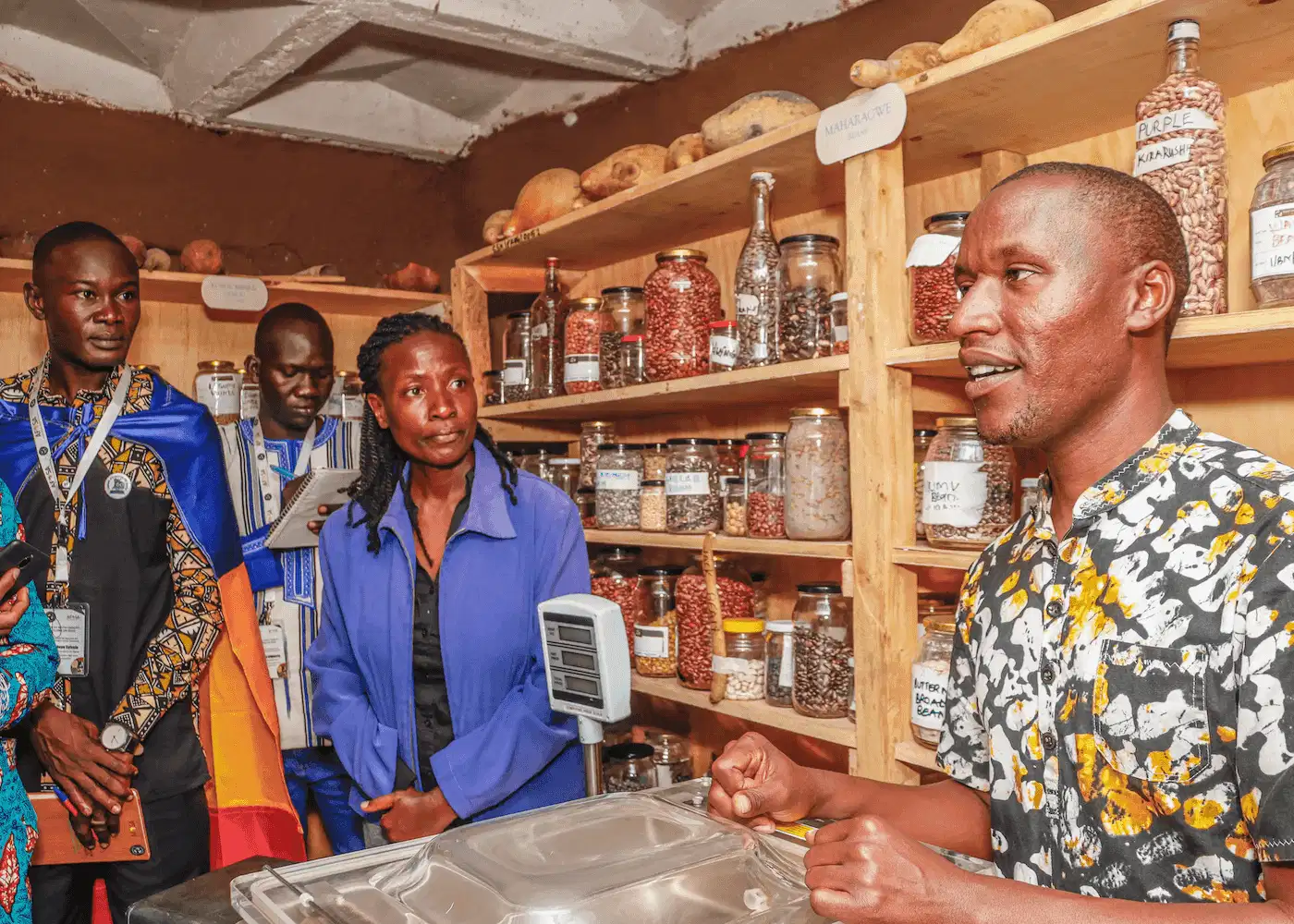
Seed Savers Network is a Civil Society Organisation dedicated to preserving agricultural biodiversity and empowering farming communities across Kenya. Founded on the principle that seed sovereignty is fundamental to food sovereignty, we work directly with smallholder farmers to conserve, regenerate, and exchange indigenous seed varieties that are resilient to climate change and vital for sustainable food systems.

Our journey began with a simple yet powerful realization: the loss of traditional seed varieties represents not just a loss of genetic diversity, but a loss of cultural heritage, traditional knowledge, and community resilience. For over a decade, we have been at the forefront of the seed conservation movement in Africa, establishing a network of community seed banks, training seed ambassadors, and advocating for policies that protect farmers' rights to save, exchange, and sell their seeds.

Today, we work with over 96,500 farmers across Africa, maintaining 121+ community seed banks that safeguard thousands of indigenous varieties. Our approach combines traditional knowledge with modern sustainable practices, creating a holistic model that addresses food security, climate resilience, and economic empowerment simultaneously.

We believe that access to a wide variety of seeds is crucial for enhancing food sovereignty, resilience, and sustainability in agriculture. Our goal is to empower farmers by providing them with the resources and knowledge needed to cultivate diverse crops, thereby preserving biodiversity and adapting to changing climate conditions.

Our Journey & Milestones

From humble beginnings to a worldwide movement for seed sovereignty
2009

Foundation

Seed Savers Network was established with a vision to preserve indigenous seeds and empower farming communities.

Key Achievements:

  • First community seed bank established
  • Initial network of 50 farmers created
  • Documented first 50 indigenous seed varieties
2013

Expansion

Expanded operations to three counties, establishing field gene banks and training programs.

Key Achievements:

  • Expanded to 3 counties
  • Established 5 field gene banks
  • Trained first 100 Seed Ambassadors
  • Launched annual seed fairs
2016

Recognition

Gained national recognition for seed conservation efforts and began policy advocacy work.

Key Achievements:

  • National recognition from Ministry of Agriculture
  • Began policy advocacy initiatives
  • Partnership with National Gene Bank
  • 10,000+ farmers in network
2019

Growth

Significant growth in community seed banks and international partnerships.

Key Achievements:

  • 75+ community seed banks established
  • International partnerships formed
  • Deposits to Svalbard Global Seed Vault
  • Digital seed exchange platform launched
2022

Innovation

Integration of technology and expansion of climate resilience programs.

Key Achievements:

Mobile training app launched
Climate-resilient seed varieties identified
15,000+ farmers trained in agroecology
Expanded to 8 counties
Started an Incubation Program
2025

Present

Current achievements and ongoing initiatives across Africa.

Key Achievements:

121+ community seed banks
96,500+ farmers in network
3,000+ seed varieties conserved
4,820 trained Seed Ambassadors
83 seed fairs conducted
3 Seed School Boot camps Hosted

Our Impact Over the Years

16
Years of Service
121+
Community Seed Banks
96.5K+
Farmers Reached
3K+
Seed Varieties Conserved
Strategic Approach

Three Pillars Guide Our Work

Every initiative we run falls under one of these three pillars — preserving agricultural biodiversity for future generations.

01

Agrobiodiversity Conservation

Preserving local varieties in seed banks and on farms to maintain biodiversity.
Agrobiodiversity Conservation
Community Seed Banks
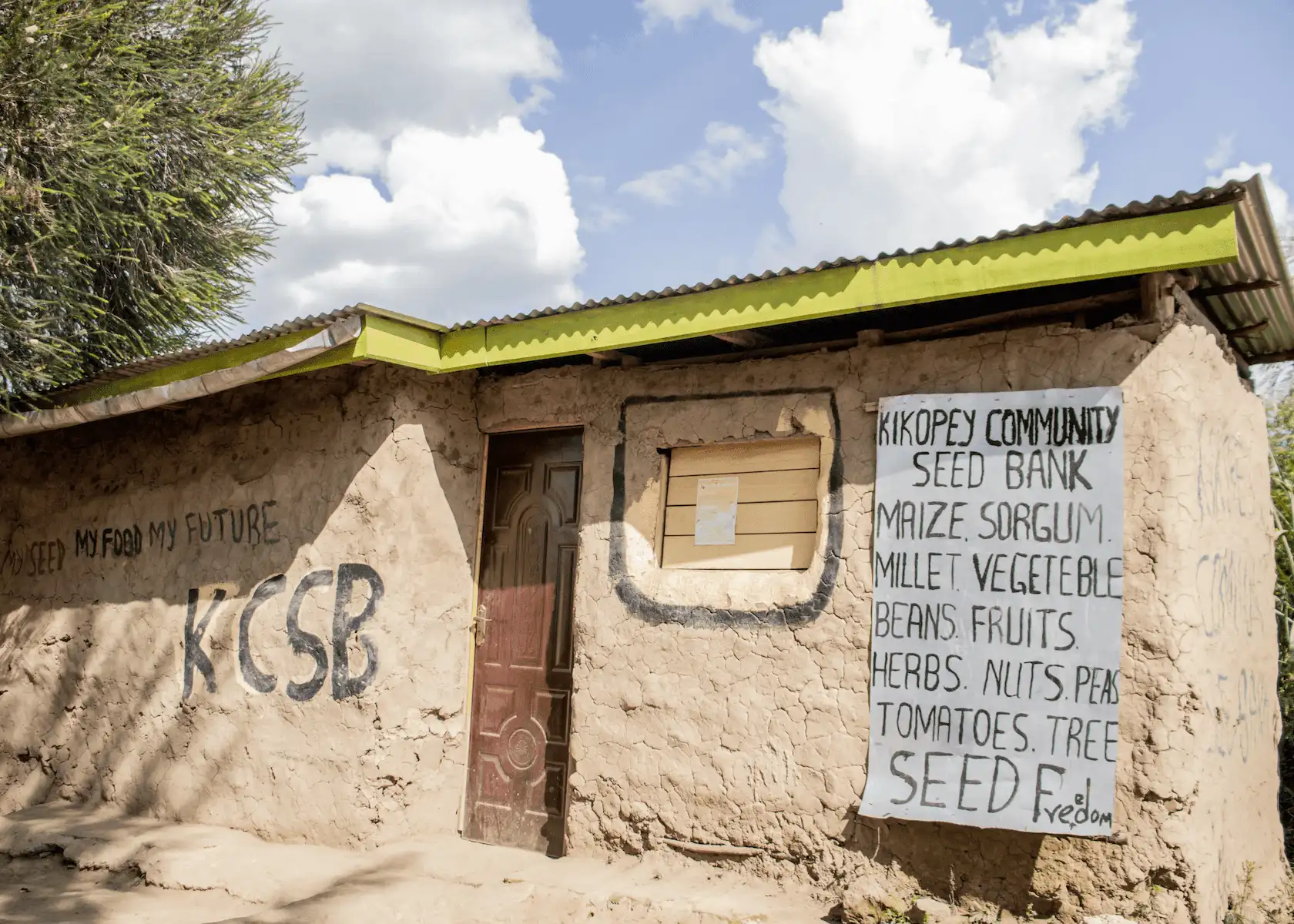
  • Established 121+ community seed banks across Kenya
  • Safeguard thousands of indigenous and climate-resilient seed varieties
  • Serve as local seed reserves for smallholder farmers
  • Reduce reliance on commercial seed markets
  • Operate as learning hubs for seed saving techniques
  • Facilitate farmer-led seed exchanges
Impact: Preserved over 200 seed varieties across 50 community seed banks
Seed Regeneration
  • Work with farmers to regenerate and multiply traditional seeds
  • Conserved over 3,000 traditional seed accessions
  • 1,000 varieties stored at National Gene Bank and Svalbard Global Seed Vault
  • Supported field regeneration programs
  • Documented and characterized 64 farmer varieties

Impact: Revived and reintroduced 15 endangered varieties to farmers
Field Gene Banks
  • Maintain live collections of crops requiring continuous cultivation
  • 11 community demonstration plots established
  • Main field gene bank at Seed Savers Learning Center
  • Serve as hands-on learning spaces
  • Research centers comparing indigenous vs commercial varieties
  • Document and evaluate traditional seed varieties
Impact: 8 field gene banks across different agro-ecological zones
Farmer-led Seed Exchange
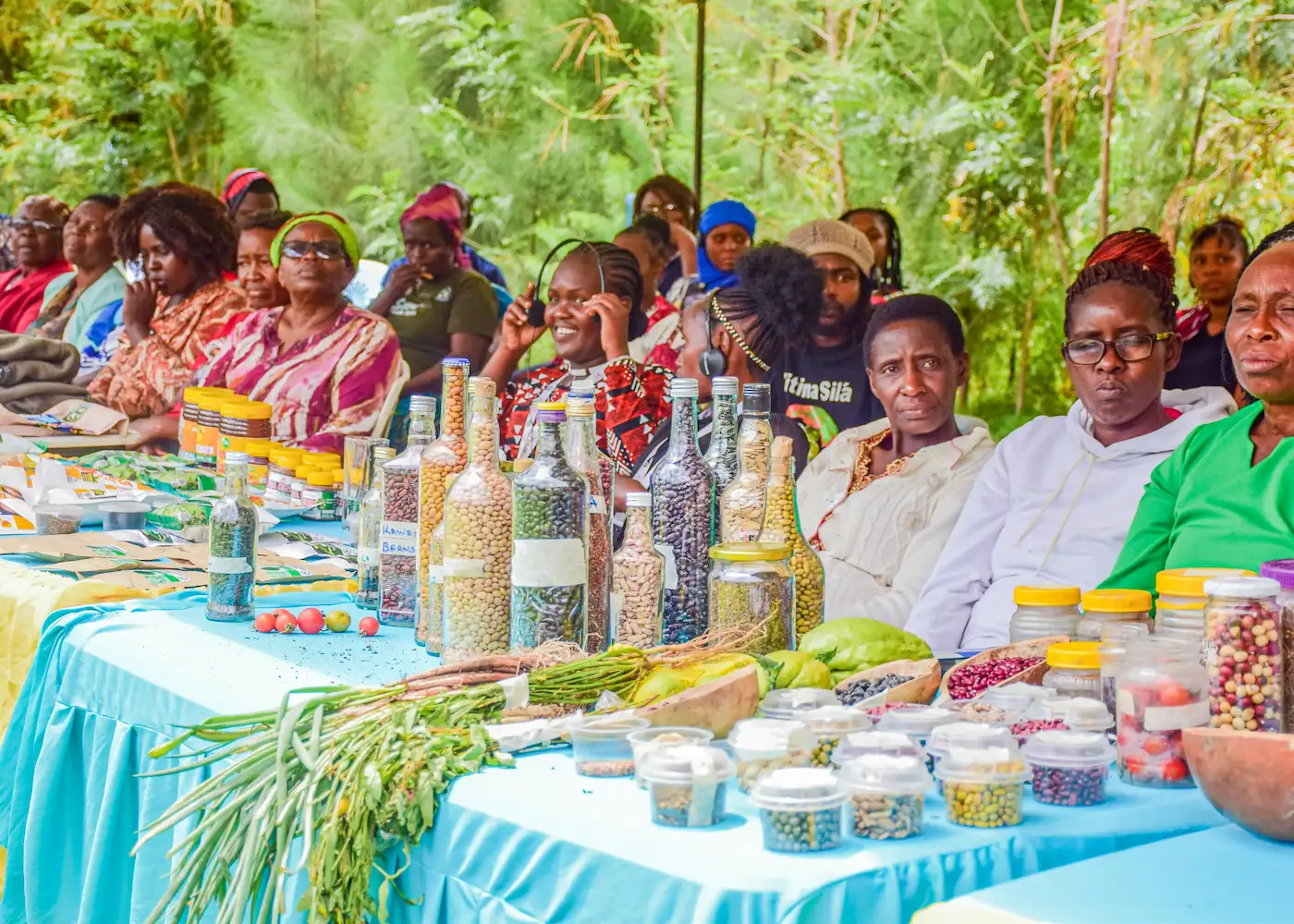
  • Organize local and national seed fairs
  • Support farmer cooperatives and community seed banks
  • Digital Online Seed Exchange Platform
  • Annual national seed fairs with 3,000+ farmers
  • Preserve genetic diversity and strengthen food sovereignty
Impact: 5,000+ farmers participate in annual seed exchange events
02

Capacity Building

Empowering communities through education and training in sustainable agriculture.

Capacity Building
Agroecology Training
  • Soil fertility management: composting, mulching, organic fertilizers
  • Natural pest & disease control using bio-pesticides
  • Drought-resilient farming with traditional crops
  • Water conservation techniques
  • Companion planting strategies
Impact: Trained 15,000+ farmers in sustainable practices
Seed Ambassador Program
  • Farmer-to-farmer extension model
  • Train on seed saving, storage, and multiplication
  • Advocate for farmer-managed seed systems
  • Facilitate community seed fairs and seed banks
  • Expand agroecology and biodiversity conservation
Impact: 4,820 trained Seed Ambassadors across 8 counties
Value Addition
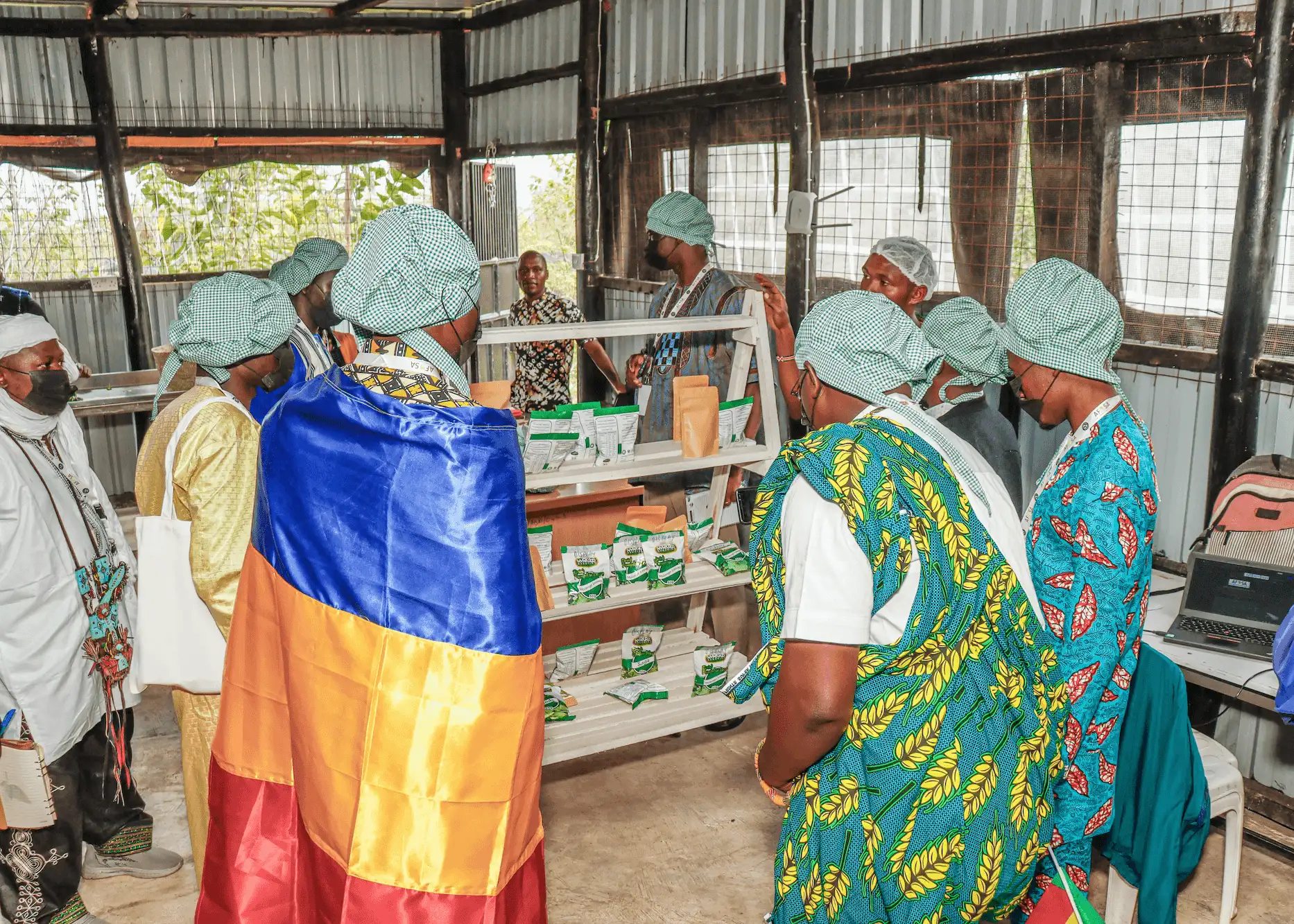
  • Training in processing and packaging traditional foods
  • Link farmers to organic markets and cooperatives
  • Facilitate equipment access for processing
  • Support product development from traditional crops
  • Develop collective branding and certifications
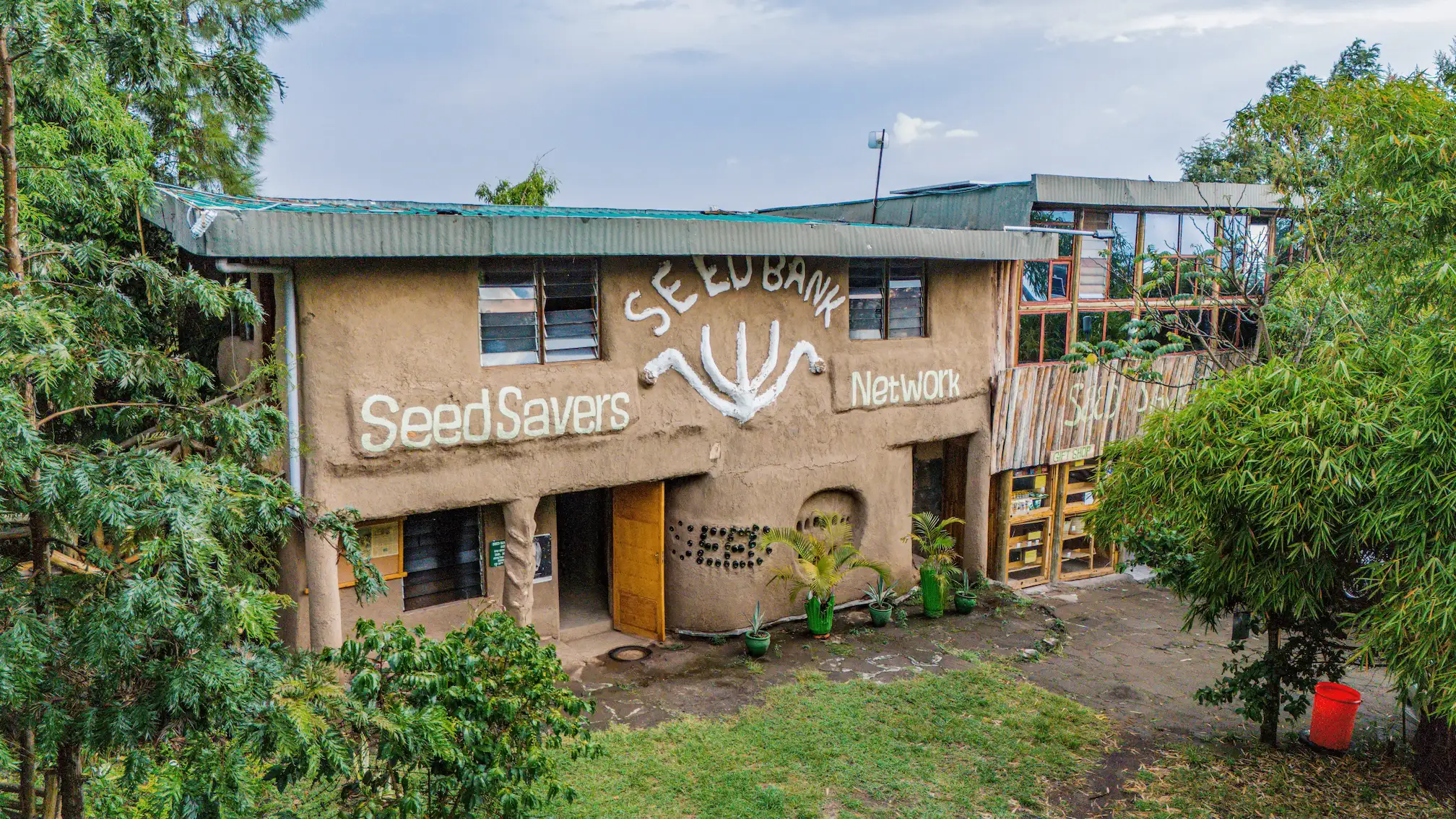
Impact: 10+ tonnes of traditional produce supplied to markets
Community Learning Center
  • Practical, hands-on learning space
  • Knowledge exchange between farmers and researchers
  • Preserve traditional agricultural practices
  • Integrate modern sustainable farming techniques
Impact: Center serving thousands of visitors annually
03

Advocacy & Policy

Shaping policies that protect farmers' seed rights and biodiversity.
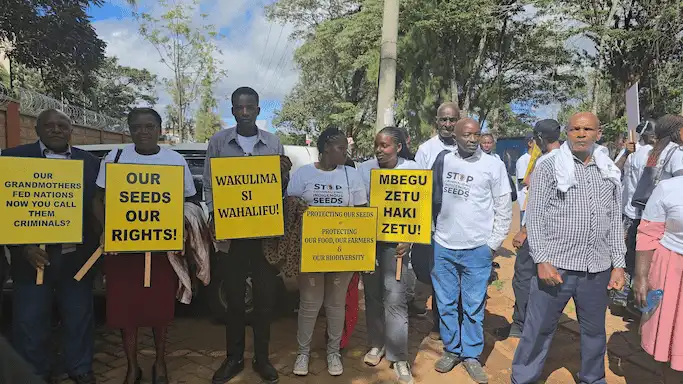
Advocacy and Policy
Policy and Legal Reforms
  • Recognition of farmer varieties in seed laws
  • Challenge restrictive seed policies
  • Advocate against GMO ban lifting
  • Engage with policymakers at all levels
  • Support food sovereignty legislation
Impact: Policy shifts favoring farmer seed sovereignty
Farmer-led Advocacy
  • Public participation forums
  • Media engagements and campaigns
  • Grassroots mobilization
  • Farmer testimony collection
  • Policy brief development
Impact: Farmers influencing local government programs
Seed Fairs and Public Engagement
  • 83 seed fairs conducted nationwide
  • Farmer-to-farmer seed exchanges
  • Policy maker engagement
  • Traditional food showcases
  • Climate resilience demonstrations
Impact: 3,285 farmers reached in 2024

Our Core

The mission and vision that drive everything we do
Mission

Our Mission

We are on a mission to conserve agrobiodiversity by strengthening communities' seed systems for improved seed access and enhanced food sovereignty.

Vision

Our Vision

To be a leading agent in promoting diverse seed access to farming communities.

SEED CONSERVATION
Preserving agricultural heritage through seed conservation, education, and sustainable farming practices for future generations.

Contact Us Today

  • Diatomite, Off Nakuru – Nairobi Highway, Gilgil, Kenya
  • P.O. BOX 334 -20116
  • +254-712-451777
  • info@seedsaverskenya.org
  • Subscribe to Newsletter

    What is Seed Savers Kenya?

    We are a non-governmental organization dedicated to preserving indigenous seeds and promoting sustainable agriculture practices across Kenya.

    How can I get involved?

    You can participate by volunteering, donating seeds, or supporting our conservation programs. Visit our 'Get Involved' page for more details.

    Are your seeds organic?

    Yes, all seeds in our collection are organically grown and free from genetic modification.

    Do you offer training programs?

    We conduct regular workshops on seed saving, organic farming, and sustainable agriculture techniques.

    Can I donate seeds?

    Absolutely! We accept donations of indigenous seeds that meet our conservation criteria.

    How do you preserve seeds?

    We use both traditional methods and modern seed bank techniques to ensure long-term viability.

    Do you distribute seeds to farmers?

    Yes, we work with smallholder farmers to provide access to indigenous seed varieties.

    How can I support your work financially?

    You can make donations through our website or participate in our adoption programs.

    © 2026-2030 Seed Savers Network. All rights reserved.

    Powered by kspace